IntroductionIn modern injection molding, precision is fundamental. At the center of that precision l...
Comprehensive Guide: The Role of Temperature Control Switches in Hot Runner Systems
2025-12-18
In injection molding, temperature stability is not a luxury—it is a requirement. Even minor temperature fluctuations inside a mold can lead to defects such as short shots, material degradation, stringing, or inconsistent part quality. For manufacturers using hot runner systems, maintaining precise and reliable temperature control is critical to productivity, safety, and cost efficiency.
While much attention is often given to heaters and advanced hot runner temperature controllers, one essential component is frequently overlooked: the temperature control switch. Despite its relatively simple function, the temperature control switch plays a vital role in protecting hot runner systems and ensuring long-term operational stability.
This article provides a comprehensive explanation of how temperature control switches work within a hot runner system, how they differ from temperature controllers, why they matter, and how to select the right solution for industrial injection molding applications.
What Is a Temperature Control Switch?
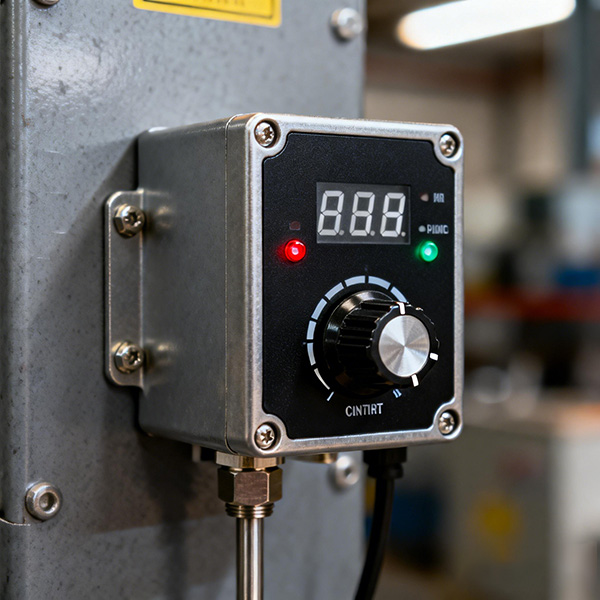
A temperature control switch is an electromechanical or electronic device designed to open or close an electrical circuit when a preset temperature threshold is reached. Unlike a controller that continuously modulates temperature, a switch operates on a setpoint-based on/off principle.
How It Works
A sensing element (bimetallic strip, capillary sensor, or electronic sensor) detects temperature changes.
When the temperature exceeds or drops below a predefined limit, the switch activates.
The circuit is either interrupted or completed to prevent overheating or underheating.
In injection molding, temperature control switches are most commonly used as safety and protection devices, rather than precision control instruments.
Temperature Control Switch vs. Hot Runner Temperature Controller
Although both devices are involved in temperature management, their roles are fundamentally different.
Feature | Temperature Control Switch | Hot Runner Temperature Controller |
Control method | On / Off | PID continuous control |
Precision | Moderate | High |
Primary function | Safety & protection | Precise temperature regulation |
Response | Threshold-based | Real-time adjustment |
Cost | Lower | Higher |
Why Temperature Control Switches Matter in Hot Runner Systems
Preventing Overheating Damage
Hot runner components such as manifolds, nozzles, and heaters operate at high temperatures for extended periods. If a temperature controller fails, heaters may continue running unchecked, leading to:
Burned heaters
Melt channel deformation
Manifold cracking
Permanent mold damage
A temperature control switch immediately cuts power once a critical temperature is exceeded, preventing catastrophic failure.
Enhancing System Safety
Thermal runaway is one of the most dangerous risks in injection molding. Overheated systems not only damage equipment but can also pose fire hazards and operator safety risks. Temperature control switches provide an independent safety layer that reduces liability and downtime.
Extending Equipment Lifespan
By preventing extreme thermal stress, temperature control switches help extend the service life of:
Hot runner heaters
Wiring and connectors
Insulation materials
Mold steel
This results in lower maintenance costs and more predictable production cycles.
Typical Temperature Control Architecture in a Hot Runner System
A standard hot runner temperature control setup includes:
Heaters – Supply thermal energy to manifolds and nozzles
Thermocouples – Measure real-time temperature
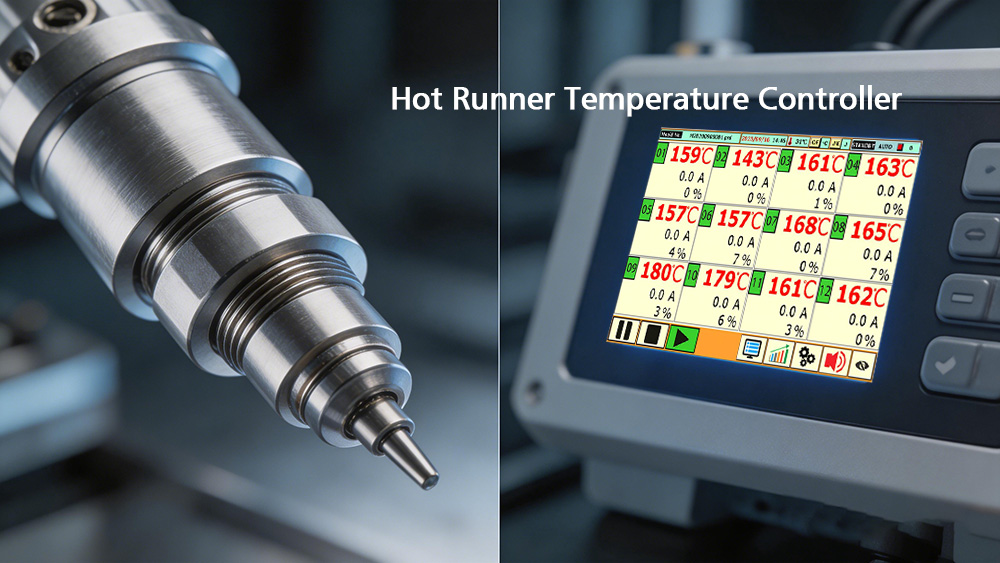
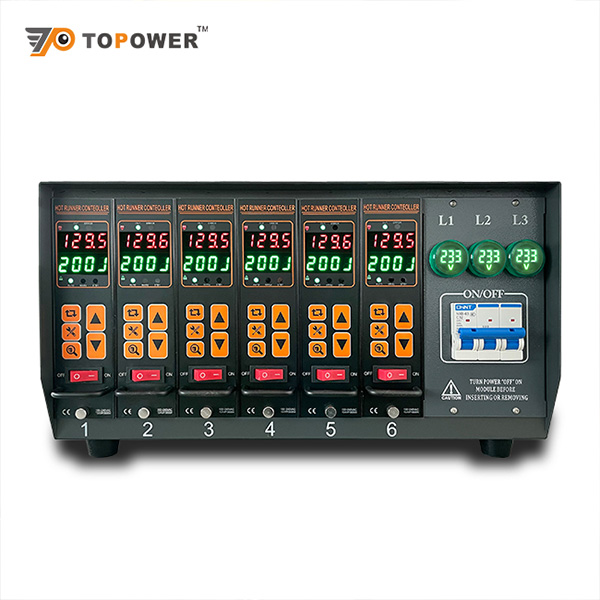
Hot runner temperature controllers – Regulate temperature via PID control
Temperature control switches – Provide over-temperature protection
Installation Locations
Temperature control switches may be installed:
Directly on the manifold
Near nozzle zones
Inside the electrical control cabinet
Integrated into a temperature control module
Their placement depends on the required response speed and protection strategy.
How to Choose the Right Temperature Control Switch for a Hot Runner System
Selecting the correct temperature control switch is critical for reliability. Below are the most important factors to consider.
Temperature Range and Accuracy
The switch must support the operating temperature of your hot runner system, typically between 200°C and 450°C, depending on material and application.
Key considerations:
Maximum allowable temperature
Switching tolerance
Reset type (automatic or manual)
Electrical Ratings
Incorrect electrical ratings are one of the most common causes of premature failure.
Check:
Rated voltage
Rated current
Contact material quality
Environmental Resistance
Injection molding environments are harsh. A reliable temperature control switch should offer:
Resistance to vibration
Protection against oil and plastic fumes
Long-term stability at high temperatures
Compatibility with Temperature Controllers
The switch must integrate seamlessly with your hot runner temperature controller to ensure coordinated shutdown and alarm signaling.
Common Mistakes When Selecting Temperature Control Switches
Choosing Based on Price Alone
Low-cost switches often lack accuracy and durability. Frequent nuisance trips can halt production and reduce overall efficiency.
Ignoring Electrical Load Requirements
Underrated switches suffer from contact burnout, leading to unpredictable failures.
Failing to Match Real Operating Conditions
Different polymers (PP, ABS, PA, PET) require different thermal profiles. The switch must be suitable for actual production conditions—not theoretical values.
Applications Across Injection Molding Industries
Temperature control switches are essential in a wide range of industries using hot runner systems:
Automotive – High-temperature engineering plastics
Medical – Tight process control and safety requirements
Packaging – Continuous high-speed production
Consumer electronics – Precision molding with narrow tolerances
In each case, reliable temperature protection directly impacts product quality and compliance.
The Importance of a Complete Temperature Control Solution
A hot runner system is only as strong as its weakest component. Precision controllers alone cannot guarantee safety without proper protection mechanisms.
Stable temperature control delivers:
Higher part consistency
Reduced scrap rates
Lower energy consumption
Longer mold service life
This is why leading manufacturers invest not only in advanced controllers but also in robust temperature control switches.
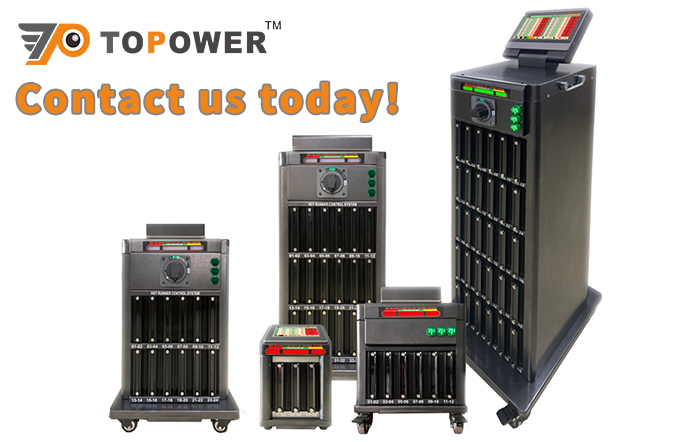
CNTOPower: Reliable Temperature Control Solutions for Hot Runner Systems
At CNTOPower, temperature control is not treated as a standalone component—it is designed as a complete, integrated system for industrial injection molding.
CNTOPower provides:
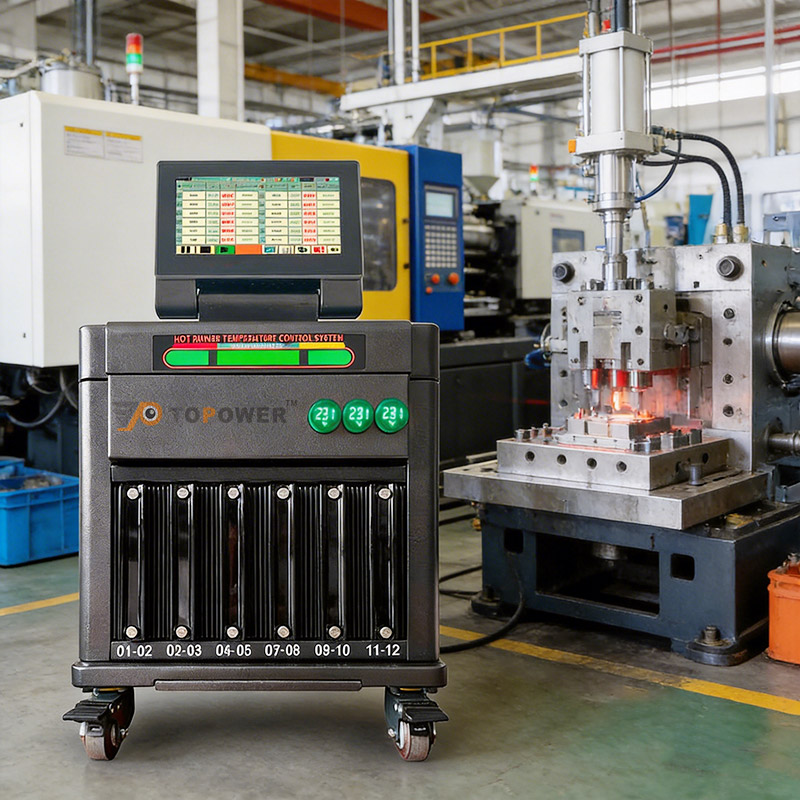
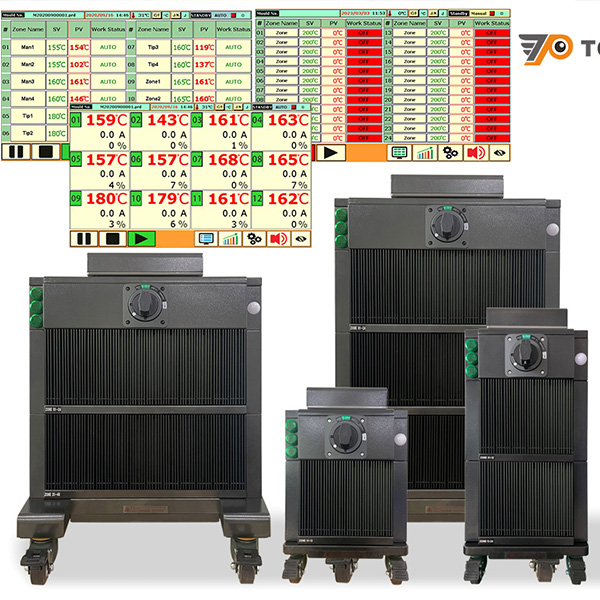
Industrial-grade hot runner temperature controllers
High-reliability temperature control switches
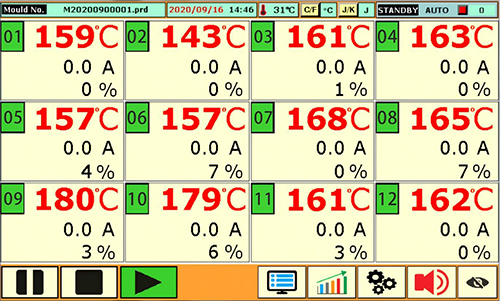
Multi-zone temperature control systems
Customized solutions for complex hot runner applications
Why Manufacturers Choose CNTOPower
Stable and accurate control under continuous operation
Industrial safety standards for high-temperature environments
Flexible configurations for different mold sizes and zone requirements
Proven performance in automotive, packaging, and precision molding industries
CNTOPower temperature control systems are engineered to work seamlessly with hot runner components, ensuring that both precision control and safety protection are fully covered.
Rather than relying on isolated components, CNTOPower focuses on system-level reliability—helping manufacturers reduce downtime, protect molds, and maintain consistent product quality over long production cycles.
Conclusion
Although often overlooked, the temperature control switch is a critical component in any hot runner system. It serves as a silent guardian—protecting equipment, ensuring safety, and preventing costly failures when unexpected conditions arise.
By understanding how temperature control switches function, how they complement hot runner temperature controllers, and how to select the right solution, manufacturers can significantly improve the reliability and lifespan of their injection molding systems.
For companies seeking stable, safe, and scalable temperature control solutions, partnering with an experienced supplier like CNTOPower ensures that every aspect of hot runner temperature management is handled with precision and confidence.
FAQ
What is the main function of a temperature control switch in a hot runner system?
A temperature control switch provides over-temperature protection in a hot runner system by cutting off power when preset temperature limits are exceeded, preventing damage and safety risks.
How is a temperature control switch different from a hot runner temperature controller?
A temperature control switch operates on an on/off basis for safety, while a hot runner temperature controller continuously regulates temperature using PID control for precision molding.
Do hot runner systems need both a temperature controller and a temperature control switch?
Yes. A hot runner system requires a temperature controller for accurate regulation and a temperature control switch as a secondary safety protection device.
What temperature range should a temperature control switch support for injection molding?
Most injection molding hot runner systems require temperature control switches rated between 200°C and 450°C, depending on materials and application conditions.
Can CNTOPower provide customized temperature control solutions for hot runner systems?
Yes. CNTOPower offers customized hot runner temperature control systems, including temperature controllers and temperature control switches tailored to specific molding requirements.
>>Hot runner temperature controller