Content1. Mold Bases & Inserts (What They Are)2. Market Size (Proxies & Context)3. Typical U...
What Is the Difference Between PET and Plastic Bottles?
2026-01-27
Introduction
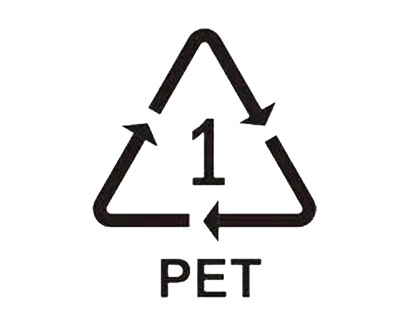
You grab a bottle of water from the shelf, twist it in your hand, and notice a small triangle on the bottom with the number “1” inside. Sometimes it says PET, sometimes PETE, and other times the label simply calls it a plastic bottle.
At that moment, a common question arises:
Are PET bottles different from plastic bottles—or are they the same thing?
This confusion doesn’t just affect consumers.
For brand owners, packaging buyers, and manufacturers, misunderstanding the difference can impact product safety, cost, recyclability, and sustainability claims.
Let’s clarify it once and for all.
What Is a Plastic Bottle?
A plastic bottle is a general category, not a specific material.
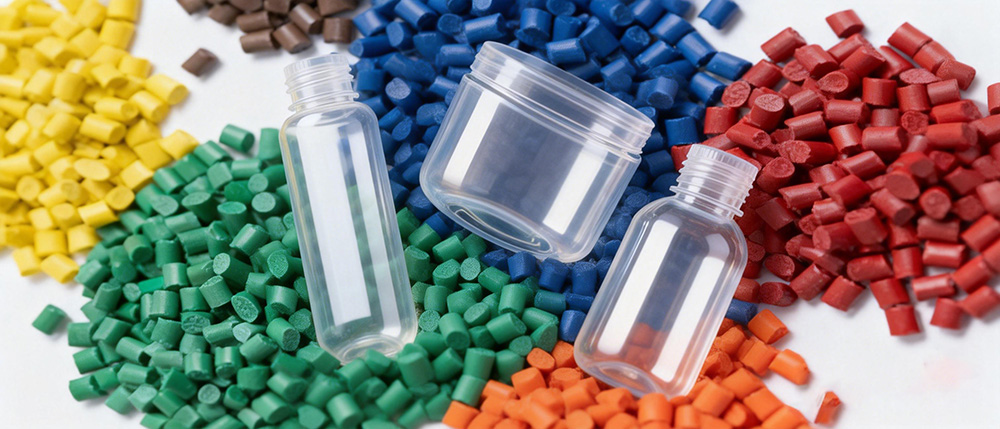
In simple terms, any bottle made from synthetic polymer materials is considered a plastic bottle. This includes bottles made from:
PET (Polyethylene Terephthalate)
HDPE (High-Density Polyethylene)
LDPE (Low-Density Polyethylene)
PP (Polypropylene)
PVC (Polyvinyl Chloride)
Each plastic type has distinct physical, chemical, and processing characteristics, which is why different plastics are chosen for different applications.
What Is PET?
PET (Polyethylene Terephthalate) is a specific type of plastic, classified under Resin Identification Code #1.
PET is widely used because it offers:
High transparency (glass-like appearance)
Excellent strength-to-weight ratio
Good barrier properties against oxygen and CO₂
Strong chemical resistance
Food and beverage safety approval worldwide
That’s why PET dominates water bottles, soft drink bottles, juice containers, and edible oil packaging.
PET vs PETE: Is There a Difference?
From a material standpoint, PET and PETE are the same plastic.
PET is the modern technical abbreviation
PETE is an older naming convention
Both refer to polyethylene terephthalate and carry the same #1 recycling code.
For buyers and manufacturers, there is no performance or regulatory difference between PET and PETE.
Is PET a Plastic?
Yes—PET is plastic, but not all plastic is PET.
Think of it this way:
Plastic bottles = a family
PET bottles = one specific member of that family
This distinction is critical when selecting packaging for clarity, strength, chemical compatibility, and recycling goals.
PET Bottles vs Other Plastic Bottles
To fully understand the difference, let’s compare PET with other commonly used plastic bottle materials.
PET vs HDPE Bottles
HDPE is another widely used plastic for bottles, especially in industrial and household products.
| Property | PET Bottles | HDPE Bottles |
|---|---|---|
| Appearance | Clear & glossy | Opaque or translucent |
| Strength | High tensile strength | High impact resistance |
| Stress Cracking | Excellent resistance | More prone to stress cracking |
| Gas Barrier | Excellent | Poor |
| Typical Uses | Water, soda, juice | Milk, detergents, chemicals |
PET’s clarity and gas barrier performance make it ideal for beverages, while HDPE is preferred for chemicals and dairy.
PET vs Other Plastics (LDPE, PP, PVC)
LDPE: Flexible, squeezable, poor clarity
PP: Higher heat resistance, commonly used for caps
PVC: Declining due to environmental and regulatory concerns
Compared to these, PET offers the best balance of clarity, strength, safety, and recyclability for food and beverage bottles.
Manufacturing Differences
How PET Bottles Are Made
PET bottles are typically produced using:
Injection molding of PET preforms
Stretch blow molding to form the final bottle
This process aligns polymer chains, resulting in high strength with minimal material usage.
How Other Plastic Bottles Are Made
HDPE and other plastics often use:
Extrusion blow molding
Injection blow molding
These methods prioritize thickness and durability over transparency.
Safety and Food Contact Compliance
PET is:
BPA-free
Approved by FDA, EFSA, and global food-contact standards
Chemically stable under normal use conditions
This makes PET one of the most trusted plastics for consumable packaging.
Environmental Impact and Recycling
PET is one of the most recyclable plastics in the world.
Key sustainability advantages:
High recycling collection rates
Closed-loop bottle-to-bottle recycling
Availability of rPET (recycled PET)
Lightweight design reduces transportation emissions
Compared to many other plastics, PET fits more naturally into a circular economy model.
Which Is Better: PET or Plastic Bottles?
This question is slightly misleading.
The real question is:
Which plastic is best for your specific product?
Choose PET if you need clarity, lightweight design, carbonation resistance, and strong recyclability
Choose HDPE or PP if chemical resistance, opacity, or heat tolerance is more important
Key Takeaways for Buyers
PET bottles are a type of plastic bottle, not a separate category
PET and PETE are the same material
PET dominates beverage packaging for good reason
Material choice impacts cost, branding, sustainability, and logistics
Conclusion
Understanding the difference between PET and plastic bottles helps brands make smarter packaging decisions, communicate sustainability claims accurately, and optimize product performance.
If you’re sourcing bottles, developing new packaging, or optimizing material selection, choosing the right plastic isn’t just technical—it’s strategic.
Inquiry-Focused CTA for Hot Runner Temperature Controller Manufacturer
Looking for Stable, Precise Temperature Control for Your Hot Runner System?
In modern injection molding, material selection and processing stability go hand in hand.
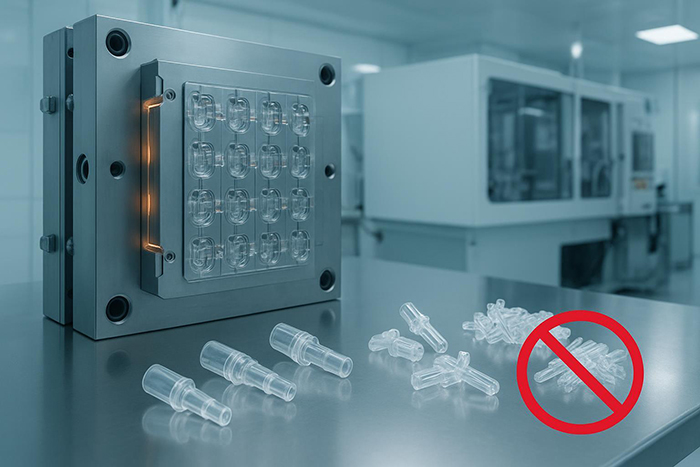
No matter whether you are producing PET preforms, HDPE containers, or multi-cavity precision parts, accurate and reliable temperature control is critical to:
Maintain consistent melt flow
Reduce scrap and short shots
Improve part surface quality
Extend heater and mold life
Shorten cycle times and increase output
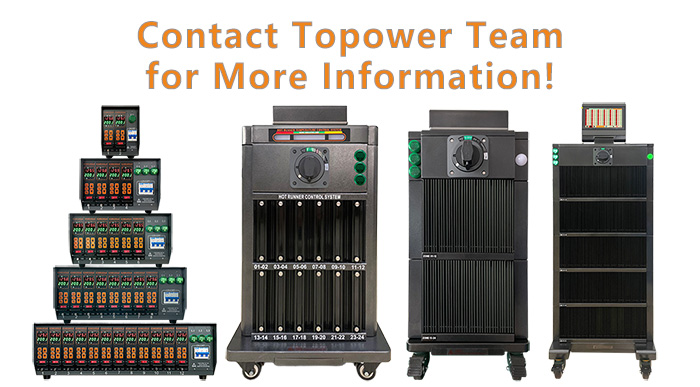
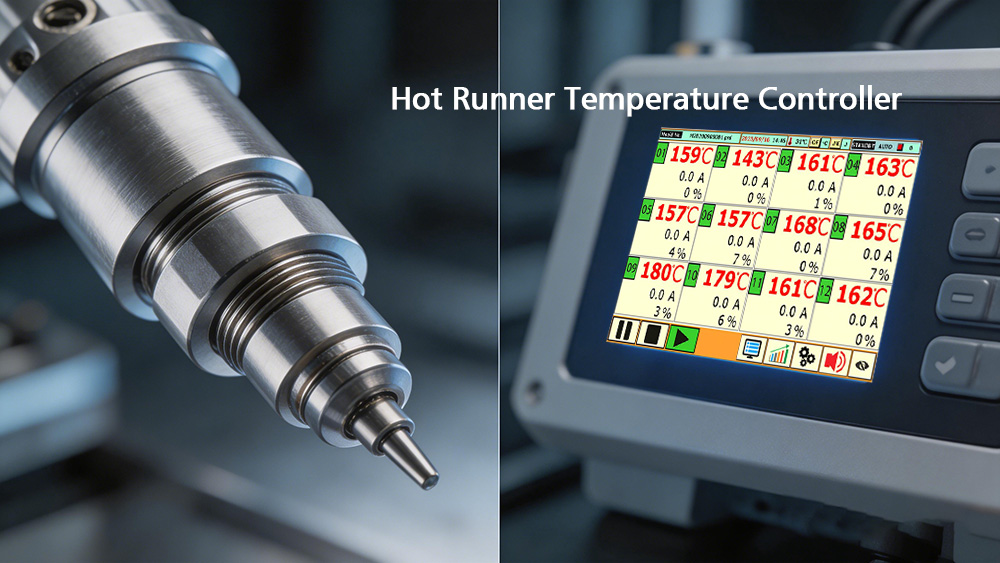
As a professional hot runner temperature controller manufacturer, we specialize in providing industrial-grade temperature control solutions for injection molding applications worldwide.
Why Work With Us?
Modular & touchscreen hot runner temperature controllers (1–120 zones)
High-precision PID control for PET, HDPE, PP, and engineering plastics
CE & RoHS certified, designed for long-term industrial use
OEM / ODM support for control panels, modules, and branding
Stable performance proven in high-cavity and high-output molds
Whether you are building new molds, upgrading an existing hot runner system, or seeking a reliable controller supplier, our engineering team is ready to support your project.
👉 Contact us today to discuss your application, request technical specifications, or get a fast quotation.
We help injection molding manufacturers achieve stable temperature control, higher efficiency, and better molded parts.
Contact the Topower team for free samples or more information today.
Email: sales@topower-controller.com
Phone: 0086-13825218815