Brass pipe nipplesIntroductionBrass pipe nipples are short sections of brass tubing with male t...
What Are the 7 Main Types of Plastic? A Complete Guide to Plastic Codes 1–7
2026-01-30
Everyday Plastic You Encounter — But Do You Really Understand It?
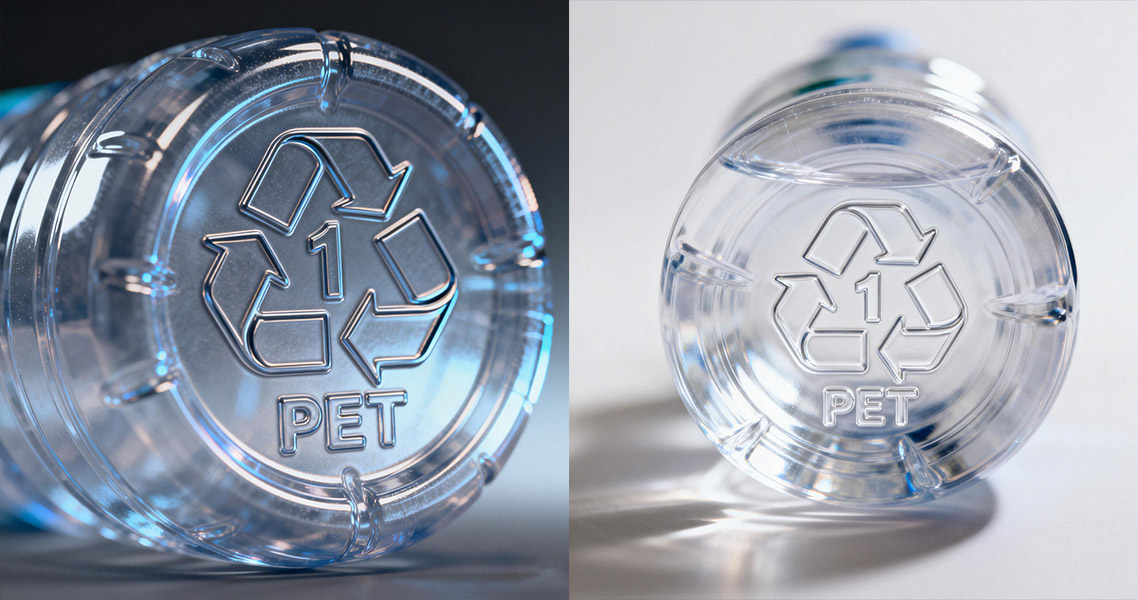
Have you ever noticed a small triangle with a number on the bottom of a water bottle, a yogurt cup, or even a shampoo bottle? That tiny number isn’t just a recycling label — it’s a Resin Identification Code (RIC) that tells you exactly what kind of plastic that item is made of.
These codes were introduced in 1988 by the Society of the Plastics Industry and have since become a global standard. But most people either ignore them or misunderstand what they mean. Are they a recycling symbol? Are all plastics safe? Which ones are food-safe or recyclable? Today we’ll answer all of that and help you make smarter choices — whether you’re a conscious consumer, a manufacturer, or a sustainability professional.
What the Numbers Actually Mean
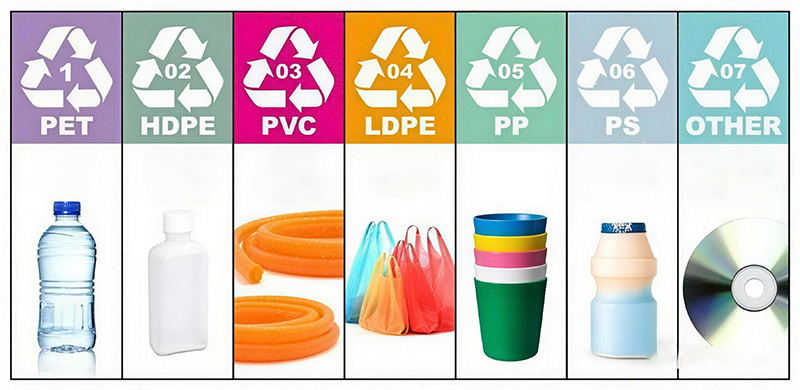
The plastic number (1 through 7) inside that triangle isn’t about whether something can be recycled — it’s about what polymer it’s made of. Each type has different chemical properties, uses, recyclability, and safety profiles.
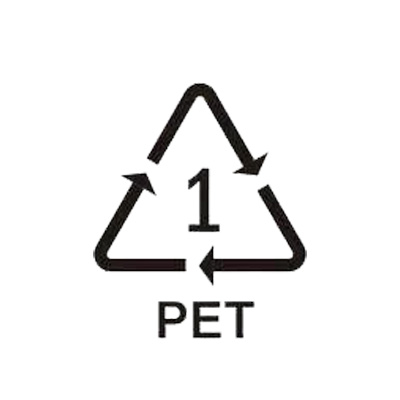
#1 – PET or PETE (Polyethylene Terephthalate)
Common Uses: Water and soft drink bottles, condiment containers, and food packaging.
PET is lightweight, transparent, and widely used for food and beverage packaging. It also has excellent oxygen barrier properties, helping to keep contents fresh.
Recyclability:
Most curbside recycling programs accept PET, and it is one of the most commonly recycled plastics worldwide.
Safety:
PET is generally considered safe for single use, but reusing bottles repeatedly or exposing them to heat (like hot liquids or direct sunlight) can increase the risk of chemical leaching.
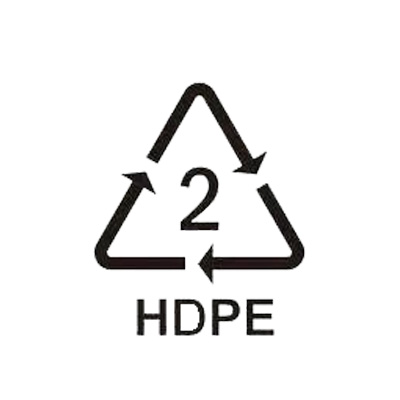
#2 – HDPE (High-Density Polyethylene)
Common Uses: Milk jugs, detergent and liquid containers, shampoo bottles, grocery bags.
HDPE has long, densely packed polymer chains, making it very strong, impact-resistant, and chemically stable.
Recyclability:
It is one of the easiest plastics to recycle and is widely accepted in recycling programs around the world.
Safety:
HDPE is considered one of the safest plastics for food contact. However, some studies suggest that under certain conditions (e.g., long-term UV exposure), additives can leach.
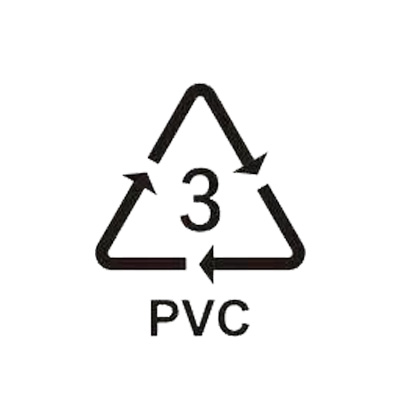
#3 – PVC (Polyvinyl Chloride)
Common Uses: Pipes, window frames, shower curtains, medical tubing, and some food wraps.
PVC is durable and versatile, but also contains plasticizers like phthalates, which have been linked to hormonal disruption.
Recyclability:
PVC is difficult to recycle and is rarely accepted in typical programs.
Safety:
Not recommended for food contact or heating. Avoid PVC cling wraps or containers for cooking or microwaving.
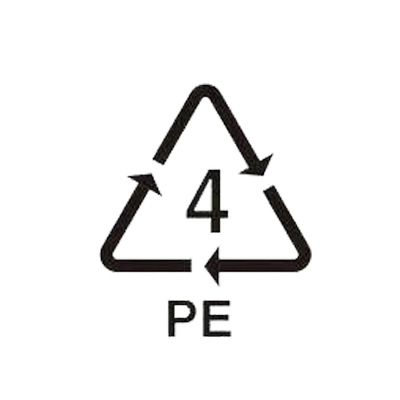
#4 – LDPE (Low-Density Polyethylene)
Common Uses: Grocery bags, cling film, bread bags, squeezable bottles.
LDPE is thin and flexible, easy to stretch and form, making it ideal for light packaging.
Recyclability:
Some recycling programs accept LDPE, but due to its light weight and tendency to jam sorting equipment, its recycling rate is generally lower than PET or HDPE.
Safety:
LDPE is relatively safe, but like all plastics, it should not be heated.
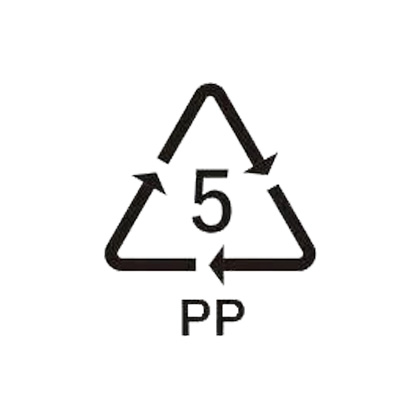
#5 – PP (Polypropylene)
Common Uses: Yogurt containers, microwave-safe food trays, bottle caps, straws.
PP stands out for its heat resistance and toughness — it can handle microwaving or dishwasher temperatures when properly certified.
Recyclability:
PP recycling is growing and accepted by more programs every year, though not as universally as PET or HDPE.
Safety:
Considered safe for food contact and reheating, though glass is usually a healthier option for repeated heating.
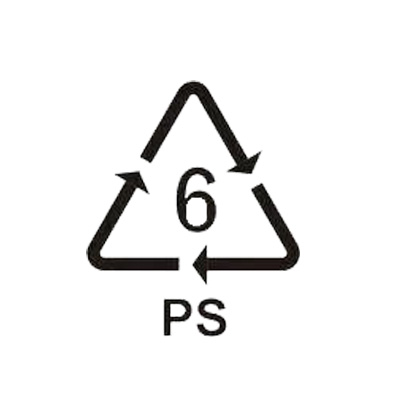
#6 – PS (Polystyrene)
Common Uses: Disposable cups, foam packaging (Styrofoam), trays, egg cartons.
PS can be rigid or foamed; the foam version is especially lightweight and widely used for protective packaging.
Risks:
PS may leach harmful chemicals, especially when heated, and is considered one of the more toxic plastics.
Recyclability:
Not commonly accepted in curbside programs and difficult to process.
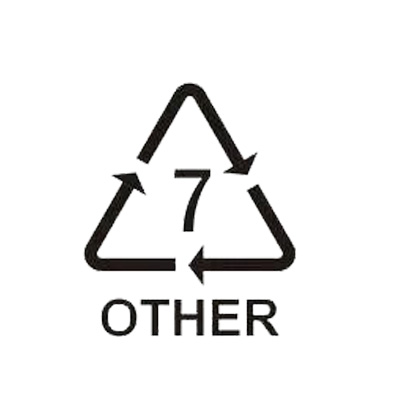
#7 – OTHER (Miscellaneous Plastics)
This category is essentially a catch-all for plastics not covered by the first six, including polycarbonate (PC), acrylic, nylon, and emerging bioplastics like PLA.
Examples & Concerns:
Polycarbonate (PC) — strong but may contain BPA.
Bioplastics like PLA — plant-based but not always recyclable in conventional systems.
Recyclability:
Code #7 plastics are rarely recycled and often present sorting challenges.
Which Plastics Are Safe & Recyclable?
Here’s a broad safety and recycling snapshot based on current industry understanding:
Generally Safer for Food Contact: #2 (HDPE), #5 (PP)
Lower Recycling Rates or Higher Risk: #3 (PVC), #6 (PS), #7 (Other)
Commonly Recycled: #1 (PET), #2 (HDPE)
Final Thoughts: Understanding Plastics Helps You Make Better Choices
Plastics are everywhere — but the small number stamped on the bottom of your bottle or container can actually empower you to make smarter, healthier, and more sustainable choices.
Don’t just assume everything with a triangle is recyclable — it means type of plastic, not guaranteed recyclability.
Whether you’re a consumer, brand, or industry professional, knowing plastic codes helps you choose safer materials, understand environmental impacts, and navigate recycling systems more effectively.