Content1. Mold Bases & Inserts (What They Are)2. Market Size (Proxies & Context)3. Typical U...
What Types of Bottles Are Made Using the Blow Molding Process?
2026-01-10
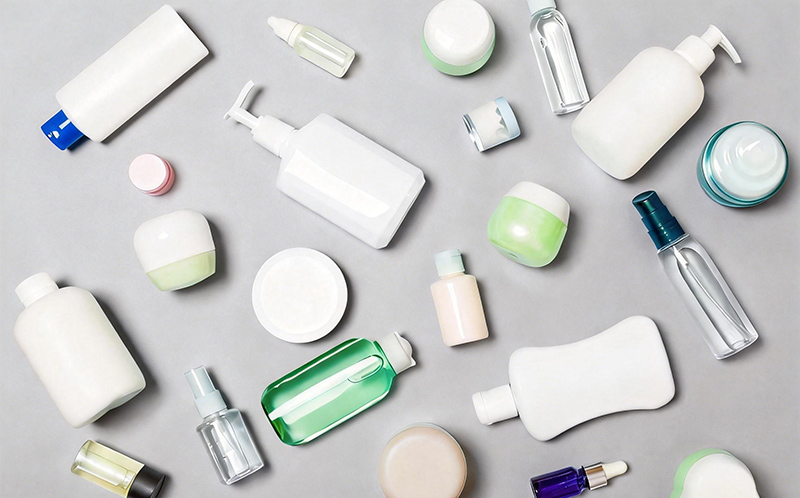
Plastic bottles are everywhere in modern life—from beverage containers and cosmetic packaging to pharmaceutical and household product bottles. Behind these everyday products lies a highly efficient manufacturing technology known as blow molding.
Blow molding is the primary process used to manufacture hollow plastic containers with consistent wall thickness, stable quality, and high production efficiency. This article explains what blow molding is, its key advantages, and which types of bottles are commonly produced using blow molding technology.
What Is Blow Molding?
Blow molding is a plastic forming process used to create hollow parts. In this process, molten thermoplastic material is introduced into a mold, and compressed air is blown inside the softened plastic. The air pressure forces the material to expand and conform to the inner walls of the mold cavity. Once cooled and solidified, the mold opens, and the finished hollow product is ejected.
Depending on the product requirements, production volume, and material type, blow molding can be classified into three main methods:
Extrusion Blow Molding (EBM)
Injection Blow Molding (IBM)
Injection Stretch Blow Molding (ISBM)
Each method is suitable for different bottle designs and applications, but all share the same fundamental principle of forming hollow plastic containers through air expansion.
Advantages of Blow Molding Technology
Blow molding is widely used in bottle manufacturing due to several significant advantages.
Low Production Cost
Blow molding, especially injection blow molding, offers a cost-effective solution for mass production. The process integrates injection, blowing, cooling, and demolding into a continuous production line. This eliminates the need for additional heating plates or secondary forming equipment, reducing both capital investment and operating costs.
High Production Efficiency
Blow molding machines are designed for continuous, high-speed operation. Thousands of bottles can be produced per hour with stable output, making blow molding ideal for industries that require large production volumes and short delivery cycles.
Stable and Consistent Product Quality
During the blow molding process, temperature, pressure, and material flow are precisely controlled. This ensures uniform wall thickness, accurate dimensions, and smooth surface finishes. Common defects such as deformation, uneven thickness, or surface imperfections can be effectively avoided.
Flexible Product Design
Blow molding allows manufacturers to produce bottles in a wide variety of shapes, sizes, and volumes. By simply changing molds, manufacturers can quickly adapt to new designs or customized packaging requirements, supporting both standard and custom bottle production.
Environmentally Friendly and Energy Efficient
Blow molding typically uses thermoplastic pellets without adhesives or harmful chemicals. Modern blow molding equipment is equipped with energy-efficient heating systems and optimized cooling designs, helping reduce overall energy consumption and material waste.
Wide Material Compatibility
Blow molding is compatible with many commonly used plastics, including:
Polyethylene (PE)
Polypropylene (PP)
Polyvinyl Chloride (PVC)
PET (for injection stretch blow molding)
Different surface treatments and wall structures can also be applied to meet specific functional or regulatory requirements.
What Types of Bottles Are Made Using Blow Molding?
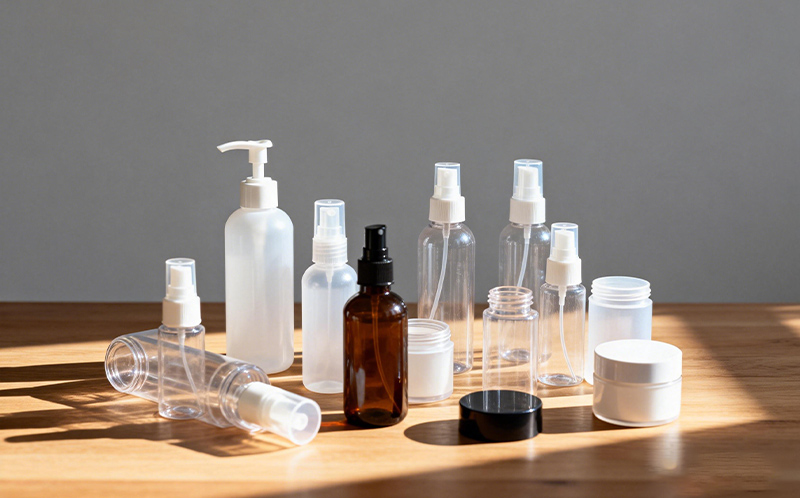
Blow molding is used across multiple industries to manufacture a wide range of bottle types.
Beverage Bottles
Blow molding is extensively used to produce bottles for carbonated drinks, juices, bottled water, and tea beverages. These bottles offer excellent sealing performance and gas barrier properties, helping maintain beverage freshness, flavor, and carbonation while preventing contamination.
Cosmetic Bottles
For liquid cosmetic products such as perfumes, lotions, shampoos, and serums, blow-molded bottles are an ideal packaging solution. Their high transparency and smooth appearance enhance product presentation, while their lightweight structure improves portability and user convenience—key factors in modern cosmetic packaging design.
Pharmaceutical Bottles
In the pharmaceutical industry, blow-molded bottles are valued for their hygiene, safety, and chemical stability. They are widely used for oral medicines, syrups, tablets, and liquid drugs. The materials used meet strict pharmaceutical standards, ensuring resistance to corrosion and protection of drug quality during storage and transportation.
Food Packaging Bottles
Beyond beverages, blow molding is also used for food packaging such as sauce bottles, cooking oil containers, and salad dressing bottles. These bottles require good pressure resistance, sealing performance, and corrosion resistance to withstand various storage and distribution conditions.
Household and Daily Product Bottles
Cleaning products, detergents, disinfectants, and other household chemicals are commonly packaged in blow-molded bottles. These containers are designed to offer sufficient strength, impact resistance, and durability for daily handling and long-term use.
Conclusion
Blow molding is an essential manufacturing process for producing hollow plastic bottles across multiple industries. With its advantages in cost efficiency, high productivity, design flexibility, and consistent quality, blow molding remains the preferred solution for beverage, cosmetic, pharmaceutical, food, and household product packaging.
As consumer demand and packaging standards continue to evolve, blow molding technology will play an increasingly important role in delivering reliable, scalable, and sustainable bottle manufacturing solutions.