Content1. Mold Bases & Inserts (What They Are)2. Market Size (Proxies & Context)3. Typical U...
Which Injection Molds Should Use Hot Runner Systems?
2026-01-20
Hot runner systems have become an essential technology in modern injection molding, especially for high-efficiency and high-quality production. However, not every injection mold requires a hot runner system. Due to higher initial costs and technical complexity, hot runner systems are best suited for specific mold types and production scenarios.
This article explains which injection molds should use hot runner systems, based on mold structure, production volume, material type, and quality requirements—helping you make the right technical and economic decision.
What Is a Hot Runner System?
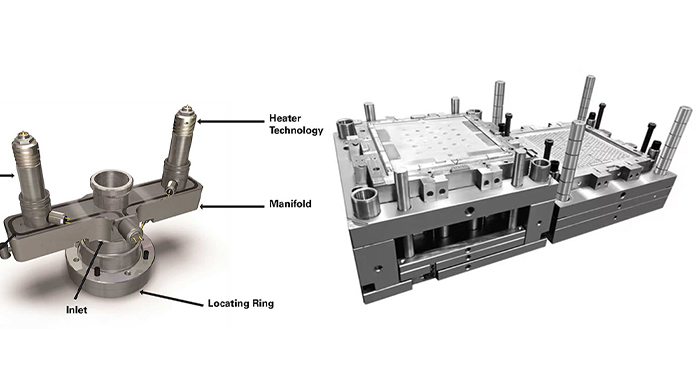
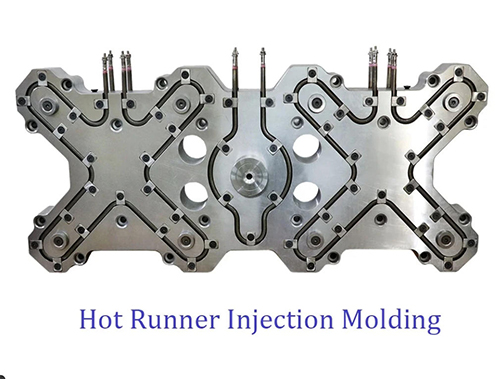
A hot runner system keeps the plastic melt continuously heated inside the manifold and nozzles, eliminating solidified runners after each cycle. Compared with cold runner systems, hot runners offer:
No runner waste
Shorter cycle times
More stable melt flow
Improved part consistency
Injection Mold Types That Should Use Hot Runner Systems
1. Multi-Cavity Injection Molds
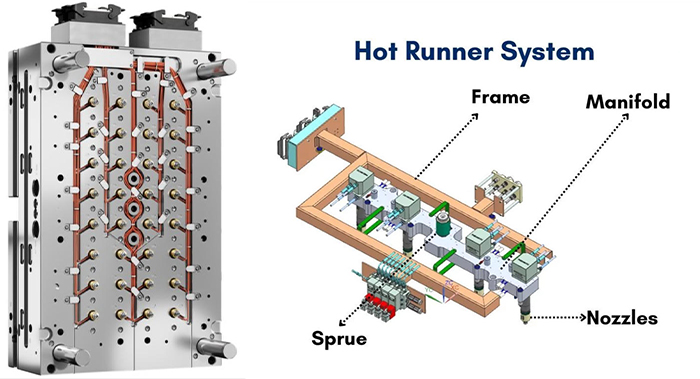
Typical Characteristics
8, 16, 32 cavities or more
Strict consistency requirements
Large-scale production
Why Hot Runners Are Ideal
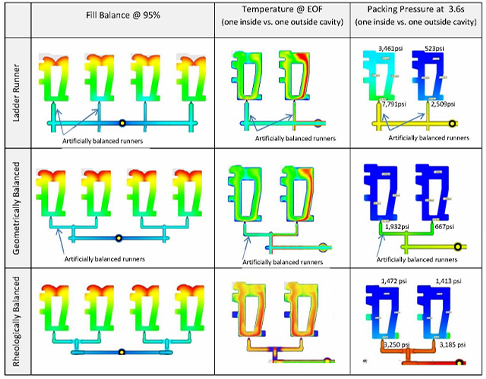
Ensures balanced filling across all cavities
Minimizes pressure and temperature variation
Improves part uniformity and yield rate
Multi-cavity molds are the most common and suitable application for hot runner systems.
2. High-Volume, Long-Running Production Molds
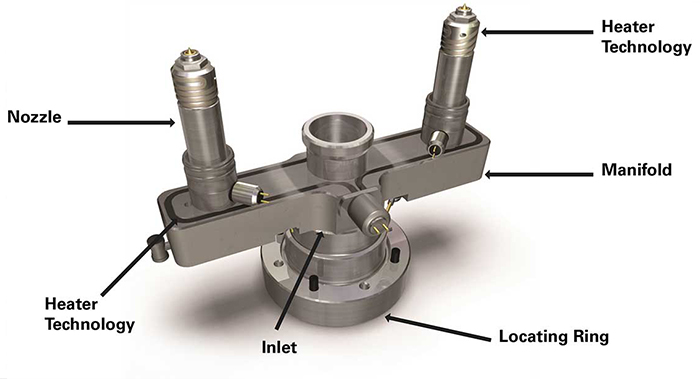
Common Industries
Packaging (caps, closures, containers)
Automotive components
Household appliances
Why Hot Runners Make Sense
Cold runners generate significant material waste at high volumes
Hot runners reduce per-part material cost
Shorter cycles increase machine productivity
The higher the production volume, the faster the ROI of a hot runner system.
3. Molds with High Cosmetic or Surface Quality Requirements
Typical Products
Appliance housings
Consumer electronics
Medical or transparent parts
Why Hot Runners Are Preferred
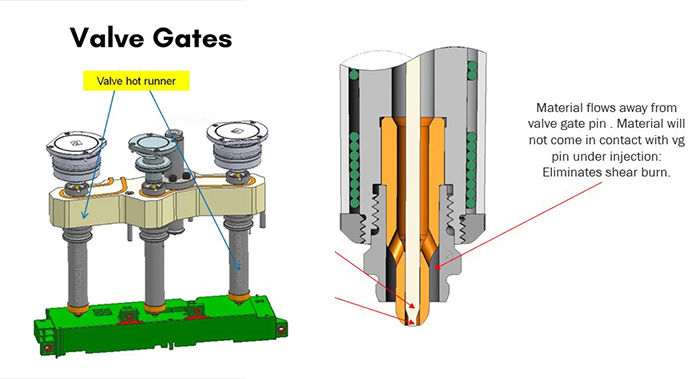
Valve gate hot runners allow hidden or pinpoint gates
Reduced gate marks, stringing, and blush
Superior surface appearance
High-end cosmetic parts almost always rely on hot runner systems.
4. Molds Using Engineering or High-Value Plastics
Common Materials
PC, ABS, PA, PBT
Glass-filled nylon
Flame-retardant or medical-grade resins
Why Hot Runners Are Recommended
Engineering plastics are expensive—runner waste is costly
These materials require stable and precise temperature control
Hot runners reduce material degradation and scrap
The higher the material cost, the greater the benefit of hot runner systems.
5. Complex or Flow-Unbalanced Injection Molds
Typical Challenges
Uneven wall thickness
Long or asymmetric flow paths
Limited gate locations
Why Hot Runners Help
Multi-zone temperature control improves flow balance
Reduces short shots, warpage, and internal stress
Enhances process stability
Complex molds benefit greatly from the flexibility of hot runner temperature control.
6. Automated and Lights-Out Production Molds
Application Scenarios
Robotic part removal
Fully automated molding cells
24/7 continuous production
Why Hot Runners Are Ideal
No cold runners to remove or separate
Cleaner and more consistent automation
Less manual intervention
When a Hot Runner System May NOT Be Necessary
Hot runner systems are not always the best choice in the following cases:
Single-cavity or low-volume molds
Prototype or short product lifecycle projects
Extremely tight mold budgets
Parts with low cosmetic and material efficiency requirements
In such cases, cold runner molds may offer better cost-effectiveness.
How to Decide: Key Questions to Ask
Before choosing a hot runner system, ask:
Is the mold multi-cavity or high-volume?
Is the plastic material expensive or temperature-sensitive?
Are surface quality and consistency critical?
Is the mold intended for long-term production?
If most answers are yes, a hot runner system is likely the best solution.
Conclusion
Hot runner systems are not a universal requirement—but for multi-cavity, high-volume, high-quality, and automation-ready injection molds, they are often the optimal choice.
By eliminating runner waste, improving melt stability, and enabling precise temperature control, hot runner systems deliver long-term cost savings and superior product quality—making them a strategic investment rather than just a technical upgrade.